Skill-first. Always. Before a player can be great, they have to be solid. Here's how I think about every session — and why it works.
I don't skip steps. We work on the building blocks — the mechanics, the footwork, the reads — until they become second nature. Then the game opens up. Players who shortcut the fundamentals always hit a ceiling. Players who build them right don't.
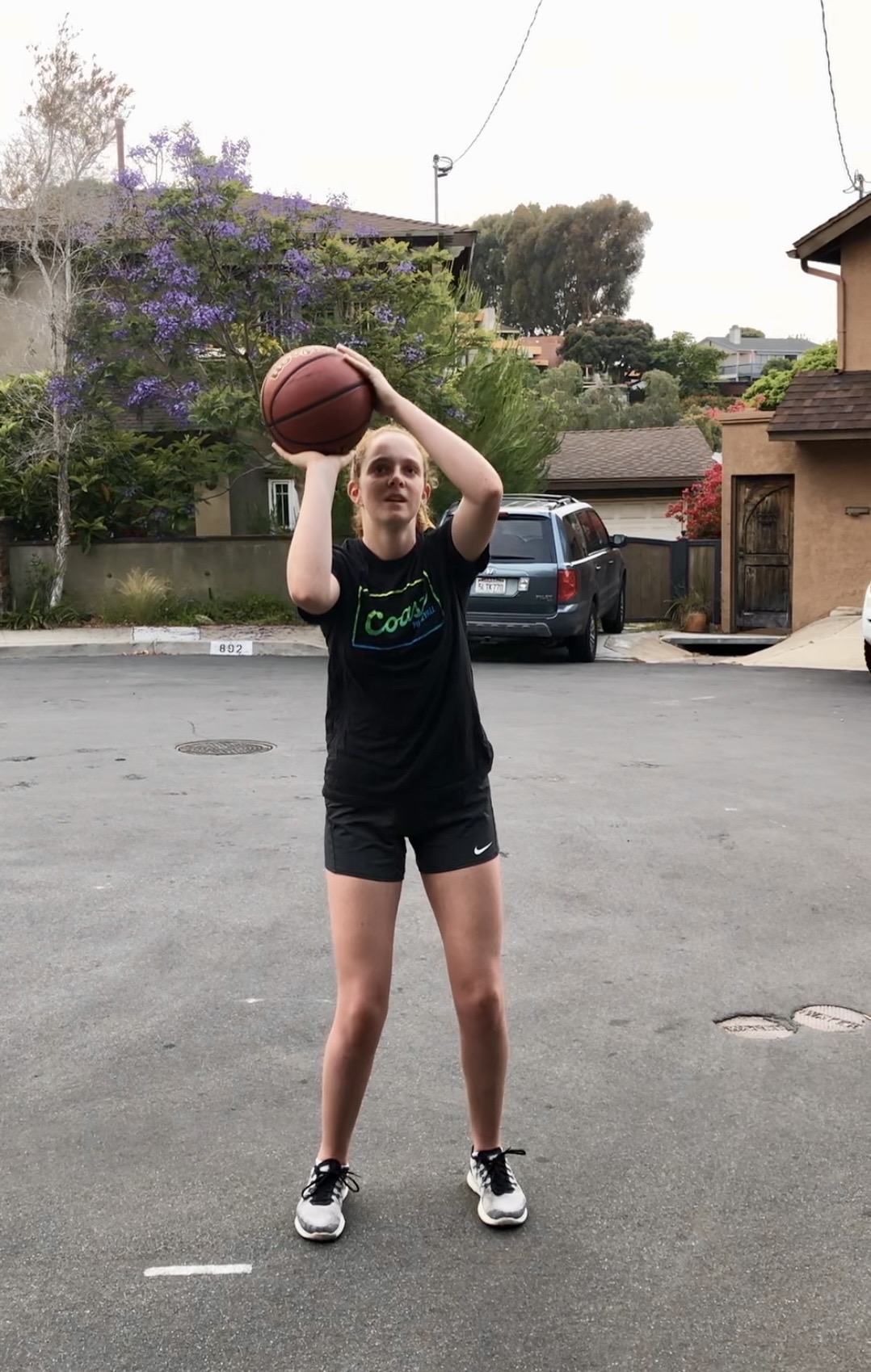
Great shooters aren't born — they're built one rep at a time. We start with stance, grip, release point, and follow-through before we ever add complexity. Get the foundation right, and everything else follows.
There's a difference between going through the motions and deliberate practice. Every drill has a purpose. Every rep is purposeful. Players learn to self-correct — which means they keep improving long after our sessions end.
Skills only matter if they hold up when the defense is live. We train mechanics first, then progressively add pressure, movement, and decision-making so players show up on game night with confidence — not just muscle memory.
Nothing builds confidence like visible improvement. I track where each player starts and make sure they can see and feel how far they've come — because a kid who sees their own growth becomes a kid who wants to work harder.
I work with beginners and intermediate players because both need something real: beginners need a solid foundation, and intermediates need someone who can identify the habits quietly holding them back.
I coach both the player and the family. Parents who understand what we're working on can reinforce it at home. I communicate clearly after sessions so you always know where your player stands and what's next.
"The best investment you can make in a young player isn't the flashiest drill — it's making sure the basics are so solid they never have to think about them again."— Coach Nate Heckman
Every session starts with a quick check-in — where is the player today, physically and mentally? Then we move through a structured progression: warm-up and activation, isolated skill work at low speed, increasing complexity, and game-speed application. The ratio shifts over time as the player develops.
For a newer player, most of the session is spent on mechanics at low speed — foot position, hand placement, shot pocket, release. We slow everything down until the movement pattern is right. Then we build. For an intermediate player, we're spending more time at game speed, adding decision-making, and challenging habits that crept in along the way.
After every session, I give parents a brief summary — what we worked on, what looked good, and where we're focused next time. I treat parents as partners in their player's development, not bystanders.
For 1-on-1 & small group sessions
The shooting form a player develops at 11 or 12 years old is very likely the form they'll have at 16. Getting it right early isn't just better — it's essential.
I'm encouraging, but I don't hand out empty compliments. Players gain real confidence when they can feel their own mechanics working — and they know the difference.
The best sessions are both demanding and enjoyable. When players are engaged and making progress, they want to work hard. I create that environment on purpose.
I don't compare players to each other. I measure each player against themselves. The goal is growth, and every player I've worked with has room to grow significantly.
Book a session and experience what skill-first training actually looks like — for your player, in person.
Book a Session →